
Standard Porta Potty
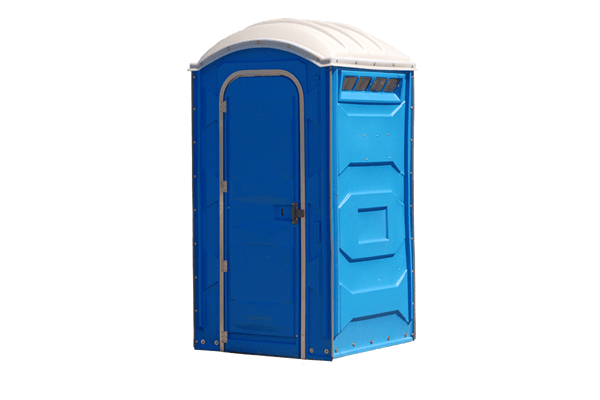
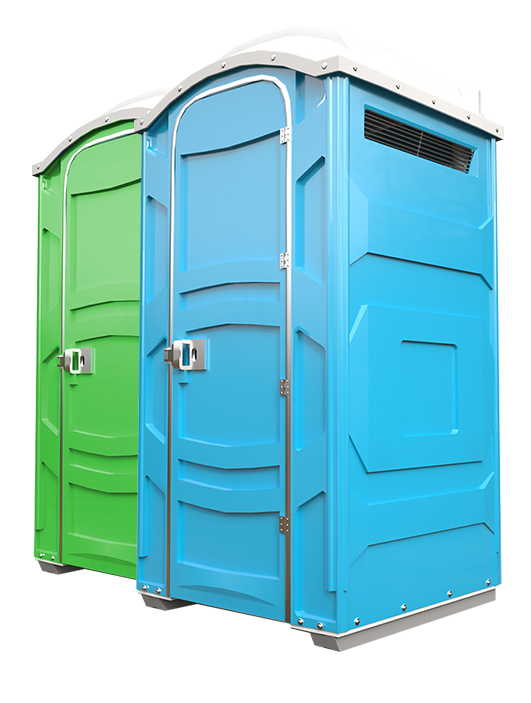

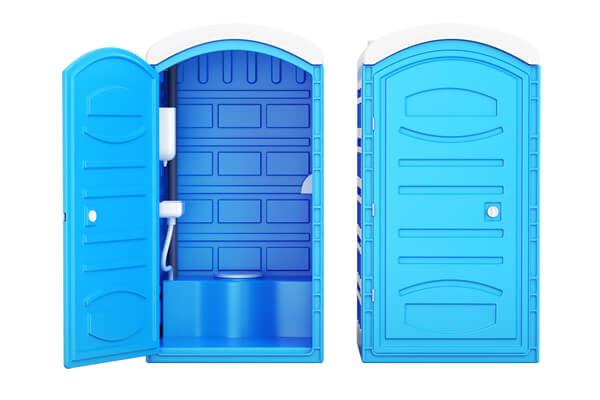



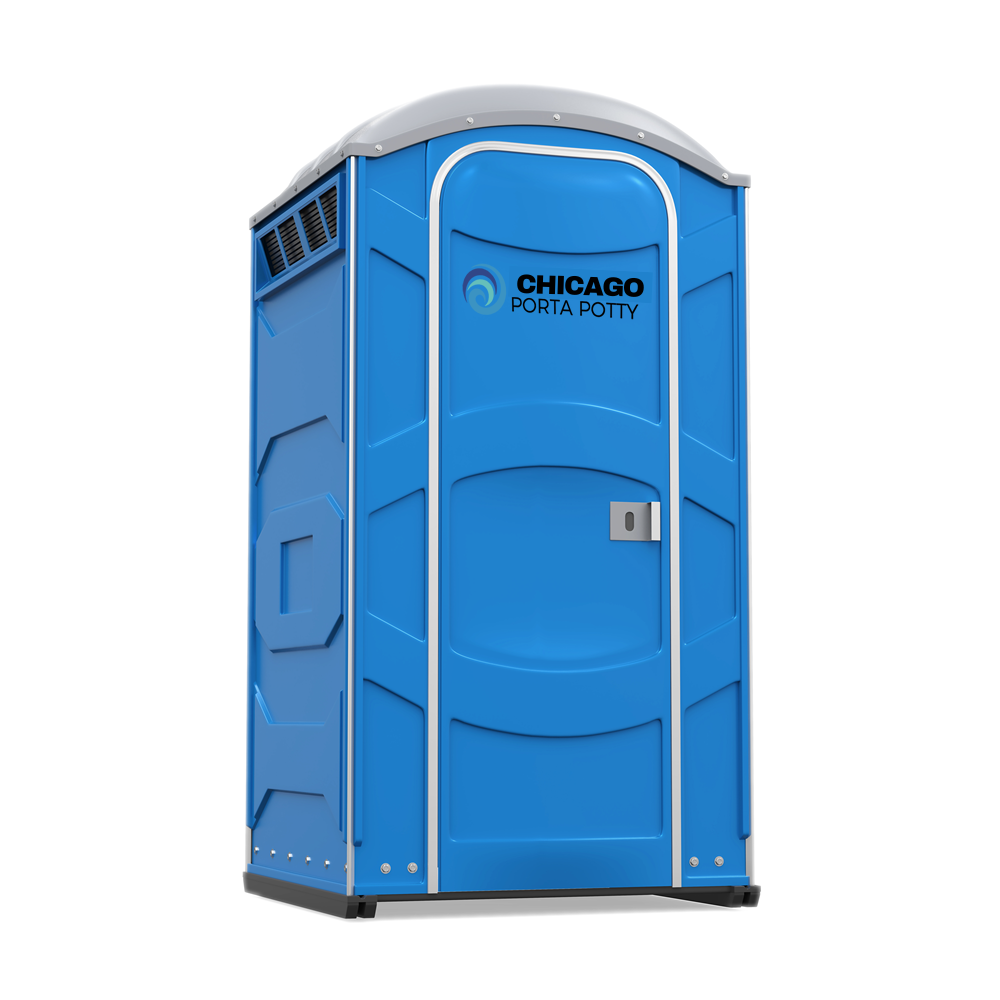
Standard porta potties are the most common moveable bathrooms. They mostly come as a single unit arranged in clusters for outdoor events. They are the most basic kind of moveable bathroom. They neither have a toilet nor flush. They are designed with an effortless but secure locking design. They are most suitable for short events since they have a small tank capacity of around 50-70 gallons. These traveling potties are available in the size of 43-46 by 46-48 by 88-91 inches. Mostly suitable for construction sites and industrial use.
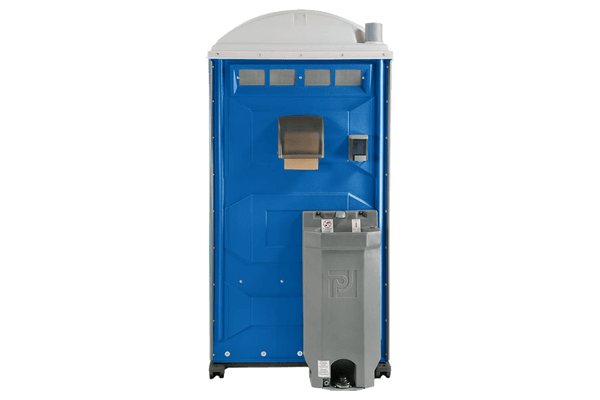
Deluxe porta potties, in simplest words, are a standard moveable restroom with a sink. They are an improved version of the standard traveling restroom that is designed to offer comfort. They come with a sink and a tank that holds a capacity of 60-70 gallons. Apart from being flushable, this sink also comes with a portable hand washing station, a mirror, and a side urinal. Others even come with a baby changing station. These are suitable for events that need high sanitation and hand washing like food tasting events and those with kids.
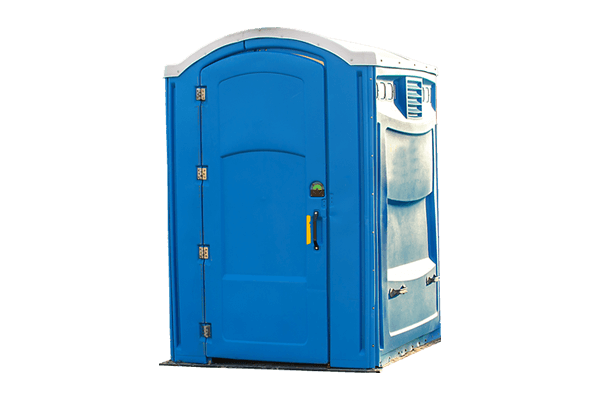
Handicap-accessible porta potties are moveable potties specially built to accommodate wheelchairs and people with disabilities. They are wider than standard moveable bathrooms and generally more spacious. They have a flat entrance or a ramp at the entrance to facilitate entering and leaving for those using a wheelchair. These units also come with safety handrails for safe use, a lower toilet seat, and anti-slip carpet material to avoid skidding. They are also constructed to adhere to ADA guidelines.
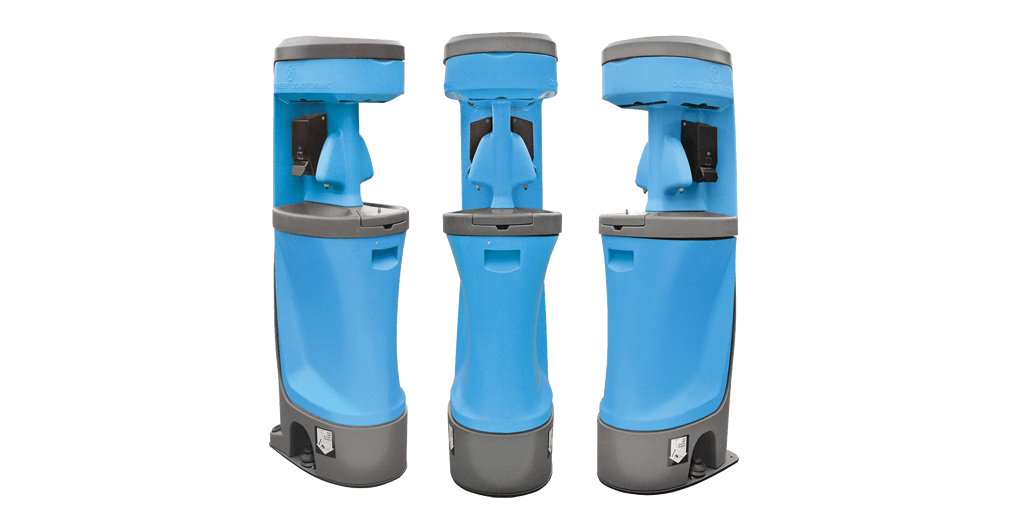
A handwashing station rental provides a convenient and hygienic solution for events, construction sites, or temporary locations where access to traditional plumbing may be limited.
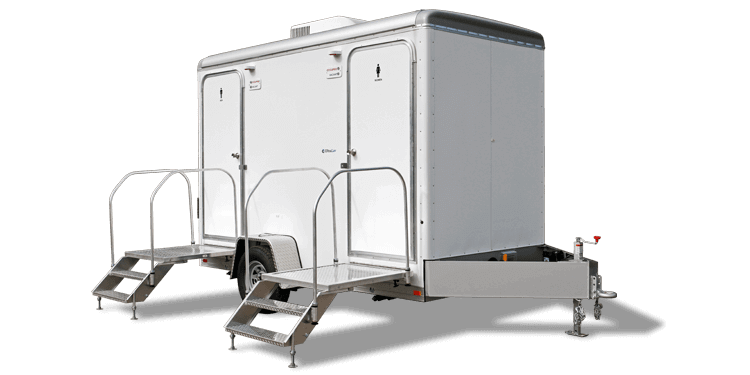
These are standard haulable potties that are mounted non a trailer. They are built with brake lights and tires to facilitate safe towing. They can be safely parked anywhere for use. These units are suitable for mobile worksites like highway road work, field-based media, and disaster relief.




Monday: 6am – 6pm
Tuesday: 6am – 6pm
Wednesday: 6am – 6pm
Thursday: 6am – 6pm
Friday: 6am – 6pm
Saturday: 6am – 6pm
Sunday: Closed