
LAKE VIEW
PORTA POTTY RENTAL
We rent porta potties for events and construction projects in the Lake View area.
LAKE VIEW
PORTA POTTY RENTAL
We rent porta potties for events and construction projects in the Lake View area.
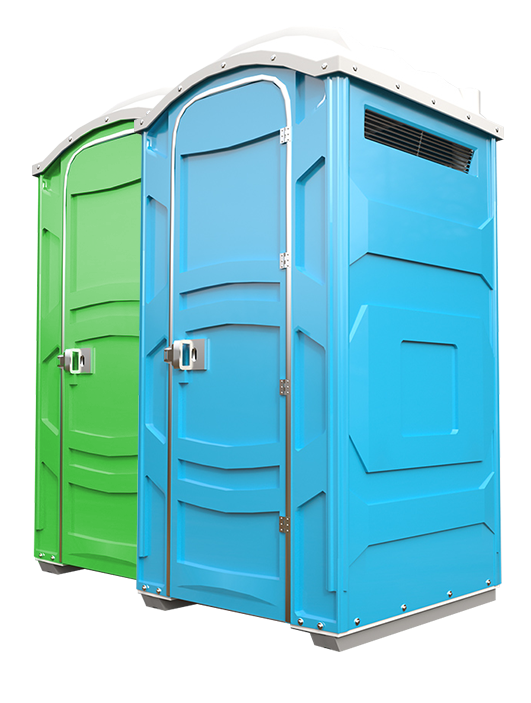
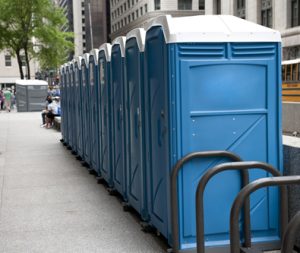
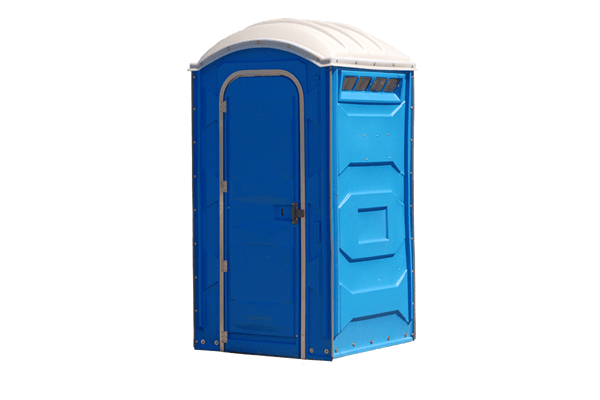
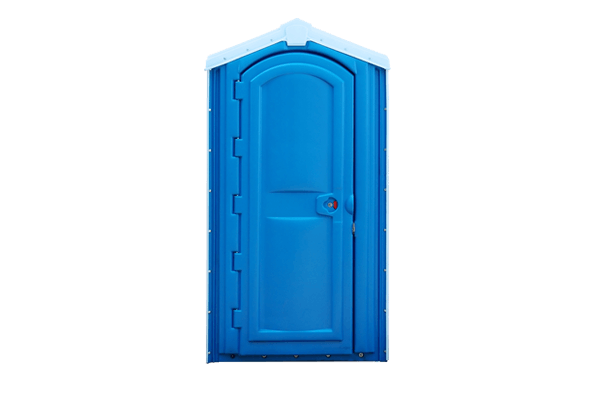
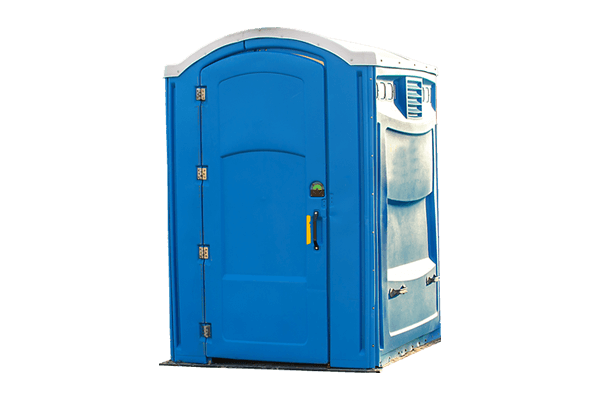
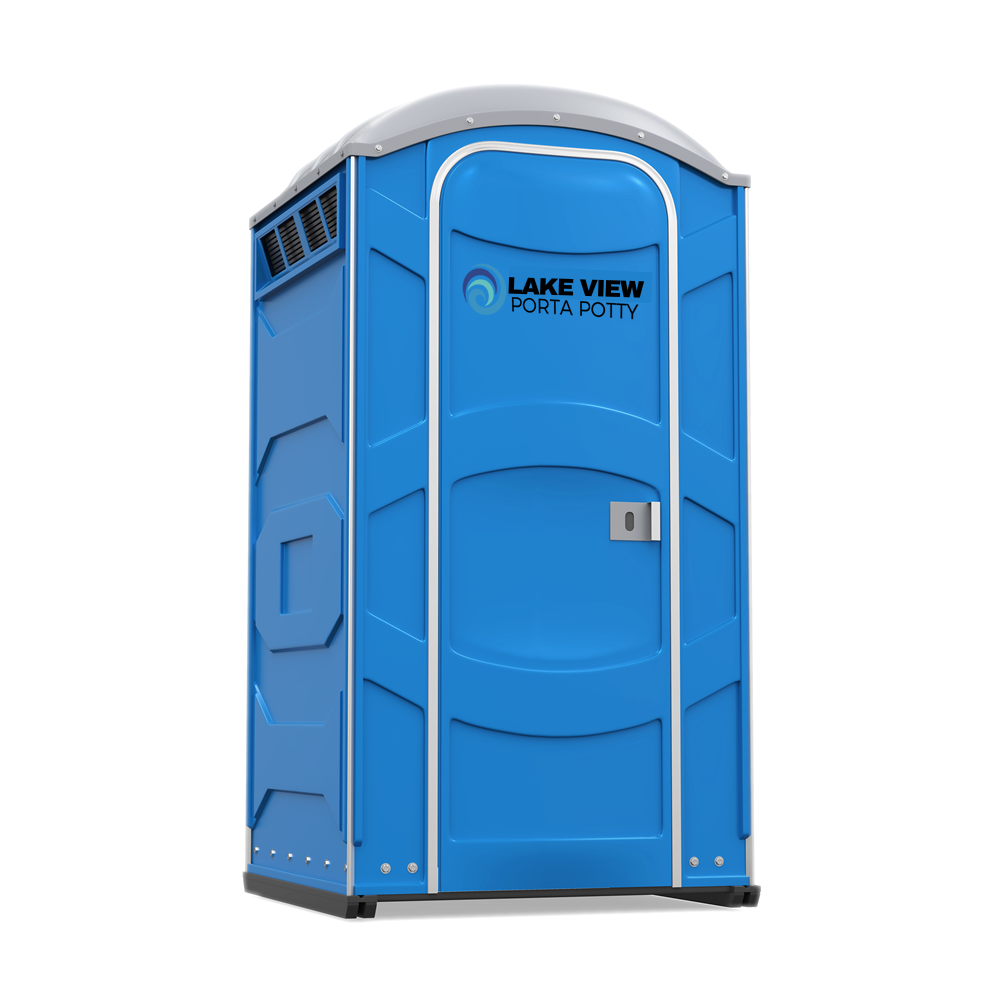
Standard porta potties, for the most part, introduced where there is a colossal horde of individuals on occasion. Standard restrooms are reasonable for open opportunities, political, social affair, and so forth., A wedding outside incident needs a generally excellent toilet for a lady of the hour. There are sure restrooms extraordinarily intended to oblige in wedding occasions.
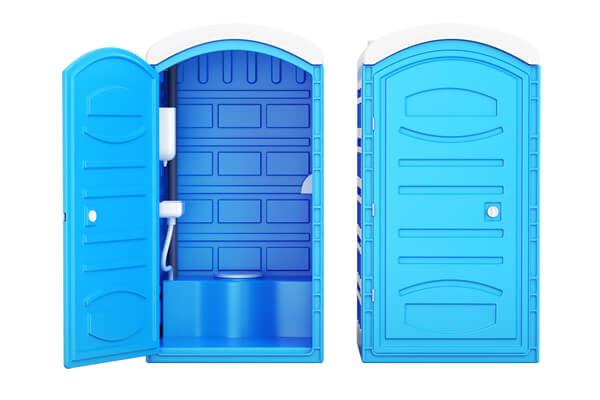
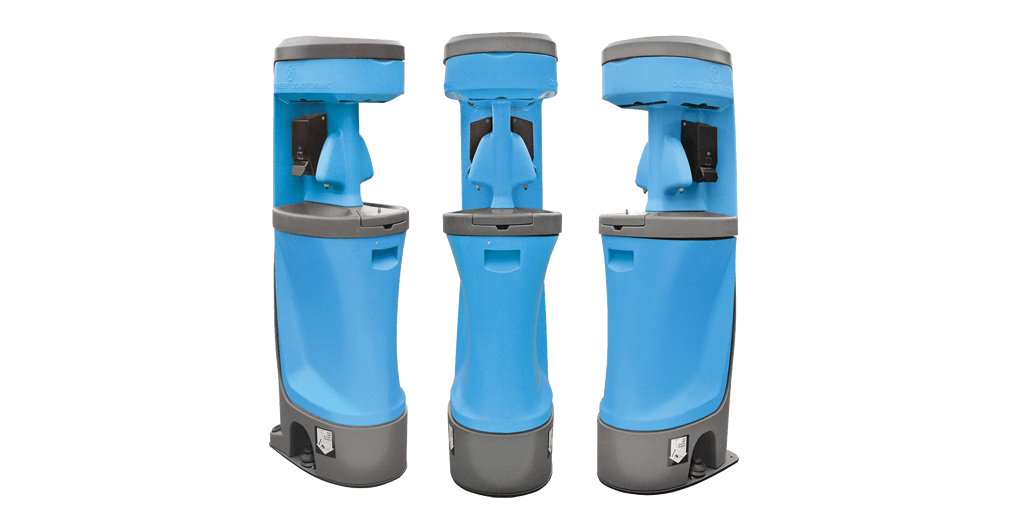
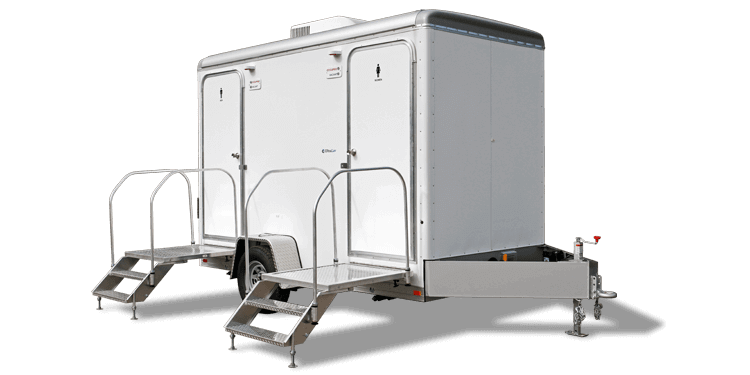
The various extravagance restrooms are encased with different clean enhancements like tissue paper, holding tank, seat spread, towel, hand washing station, reflect, flowerage, and deodorizer and so forth., Renting such restrooms for your visitor can sure fulfil them and make your occasion fruitful. On the off chance that you might want to rent restrooms, you have to contact the correct portable toilet rental specialist organization in your area.
There are numerous porta potty rental organizations accessible in the United States of America. To pick the correct restroom rental organization, it is smarter to do Internet research. You can channel the various organizations choose the correct one that is closer to your area. The expense of the porta-potties differs as indicated by the organization and field. Pick the right restroom renal organization that can offer quality support at an affordable cost. By renting portable loos in your occasion, the guests and visitors can without much of a stretch meet the sterile needs in perfect and clean condition.
Shower trailers have likewise been added to the portable restroom rental family and are rapidly ascending in portable sanitation ubiquity. Shower trailers come furnished with the two Men’s and ladies’ sides, each with three showers slows down, one toilet and one sink, are vitality proficient and give a lot of ceaseless boiling water. These versatile shower trailers can even be spared straightforwardly to a sewer line for continuous use. Shower trailers are valuable in serving on the spot briefly or forever during expanded outside remains for campsites, celebrations, crisis circumstances and numerous other essential applications.
Lake View is a wealthy and densely populated neighborhood on the north side of the city next to Lincoln Park. It is bordered by West Diversey Parkway on the south, North Clifton Avenue on the east and Irving Park Road on the west. Lake View was once heavily agricultural but today it comprises mostly single-family homes and highrise apartment buildings.
The population of Lake View’s twenty-one square miles (53 km2) is approximately 34,530 people as of 2010 according to U.S Census estimates. Despite the neighborhood’s high population density, Lake View is primarily a residential area with a median household income of $78,850 and a high level of home ownership.
Lake View is considered to be on the North Side of Chicago because of its close proximity to the city’s northern boundary. Lake View is also widely known as one of ten communities known as the Northwest Side, which also refers to some other neighborhoods in the area; however, in 2012 Chicago City Council designated Lake View as an official part of Chicago’s West Town community area for purposes such as zoning requirements and planning within some matters related to community resources.
Lake View has a large number of parks, including three parks that are owned and maintained by the Chicago Park District: Abingdon Square, Diversey Parkway Gardens, and Lincoln Park. The three parks combined have over of land making Lake View the largest park district in Chicago. It also has numerous community gardens as well as several municipal properties managed by the Chicago Park District but not considered official parks such as Lakeview East Golf Course (known locally as “Ledge”) and Palmer Woods forest preserve. Also located in Lake View is the former site of a cemetery, now a protected open space called Oak Woods Cemetery which includes both single family homes and condominiums.
Lake View has two public beaches, Edgewater and Lincoln Park. Edgewater Beach is one of three public beaches on the lakefront with lifeguards and concessions. The beach is located at the foot of W. Foster Avenue. The beach is popular with dog owners whose pets are allowed to swim as long as they are on a leash, and it is also home to volleyball courts where Olympic gold medalist Kerri Walsh once graced the sand in televised beach volleyball tournaments. Lincoln Park Beach, located at the foot of Clark Street, features a dog beach (also equipped with lifeguards and concessions) from June 21 – September 15, during which time dogs are allowed off-leash and humans must clean up after their pets. Both beaches are subject to closure during inclement weather.
The Lake View neighborhood was named after the now-defunct Lake View Township, which itself was named for its view of Chicago’s namesake body of water, Lake Michigan.
The name “Lake View” can also be attributed to multiple business and residential developments that were established in the late 19th century. In 1868 the community received its first economic boost when The Union Stock Yard and Transit Company built a stockyard and opened the world’s first through railroad line from Chicago to Omaha, Nebraska. Samuel M. Elboy, a Polish immigrant and cattle trader, founded the Union Stock Yard and Transit Company in 1864 on W. Foster Avenue and operated it until it was sold to the Chicago & Northwestern Railroad (now the Union Pacific Railroad) in 1868.The Union Stock Yard and Transit Company opened a stockyard for livestock and produced grain for trains at the northwest corner of Ainslie Street and Diversey Parkway. The company built a grain elevator in 1867 on Ainslie Street between West Lawrence Avenue (then called Lake Shore Drive) and Diversey Parkway. Ainslie was later renamed as Diversey Parkway in 1913 when Elboy’s land was sold to the City of Chicago for road construction purposes. Today, Diversey Parkway runs from Lake Michigan on the east to Milwaukee Avenue on the west, and from Lake View on the north to Hermosa Avenue on the south.




Monday: 6am – 6pm
Tuesday: 6am – 6pm
Wednesday: 6am – 6pm
Thursday: 6am – 6pm
Friday: 6am – 6pm
Saturday: 6am – 6pm
Sunday: Closed